

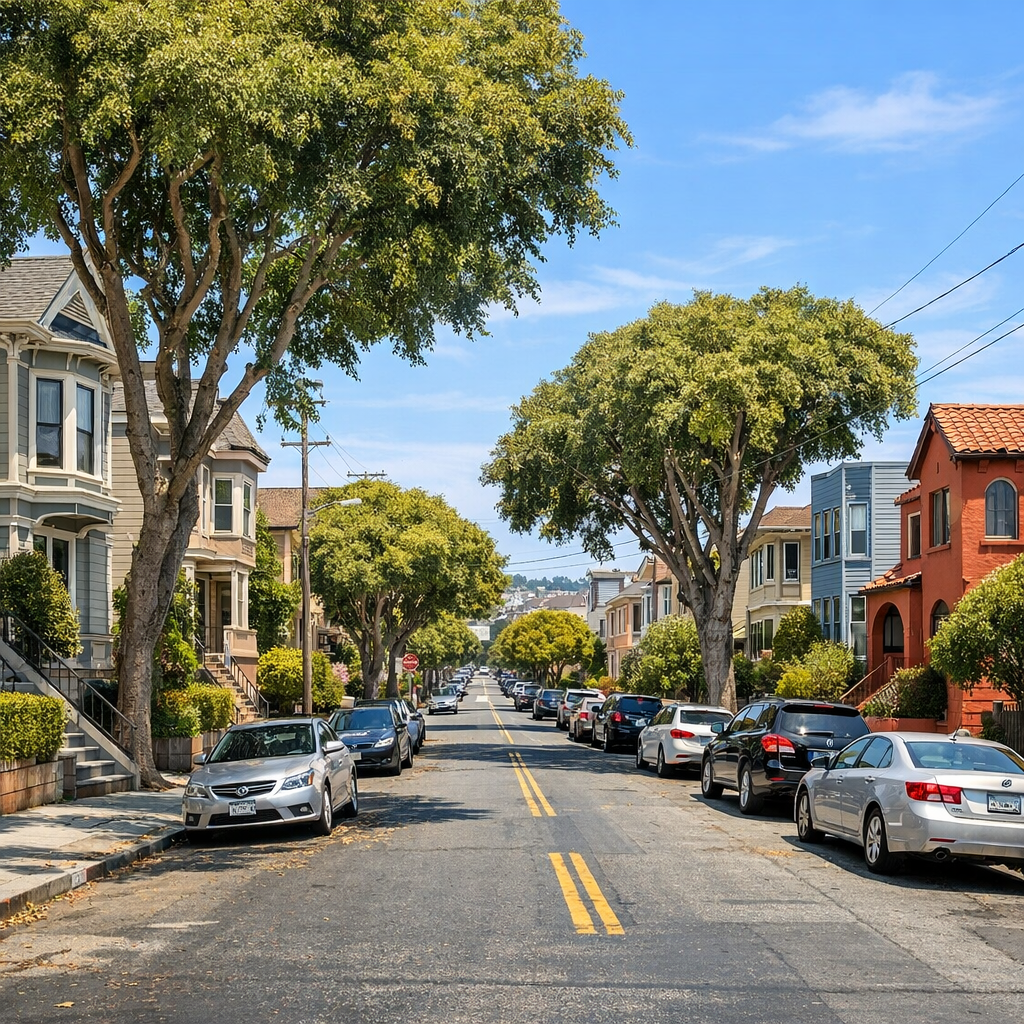
Richmond is taking a step back in its plan to increase housing density in established single-family neighborhoods. Recent controversy around the city’s zoning code rewrite has prompted officials to revise proposed changes to neighborhood density, in what many see as a response to concerns raised by residents and community groups.
What was proposed — and what changed
The zoning code refresh initially suggested allowing more housing options across single-family areas, including duplexes and other multi-unit homes. But under “Draft Three”—the most recent version—those plans have been pulled back. Instead of sweeping changes, the draft will maintain many current restrictions and include tighter limits on where density increases can occur.
Why residents pushed back
Community members and neighborhood associations voiced concerns that too much change too fast could alter neighborhood character, strain infrastructure, and reduce parking. Some worried that the proposed density could impact traffic, shadowing, and the historic feel of streets lined with single-family homes. Environmental justice advocates also spoke out, saying the city hadn’t done enough outreach in areas already facing challenges like poor air quality, lack of green space, and limited access to health services.
What happens next
The city will hold a series of educational and community meetings in coming months to gather resident feedback and explain the code; the goal is to build trust and ensure changes reflect neighborhood needs. Once those conversations are complete, Draft Three will go to City Council for a vote. Any adopted ordinances could reshape Richmond’s approach to housing affordability and growth.
Why zoning matters
Zoning isn’t just about what gets built—it defines how cities grow. It affects density, affordable housing options, infrastructure strain, walkability, and even environmental resilience. In Richmond, where many neighbors cite concerns about rising housing costs, limited green space, and equity, the stakes are high.
How residents can get involved
- Watch for announcements about upcoming neighborhood outreach meetings where residents can weigh in.
- Review the Draft Three proposals once published — the zoning maps, allowed housing types, and overlay districts are key.
- Contact your City Council member to share your concerns or support.
- Engage with civic advocacy groups working on housing, environmental justice, and equitable development.