

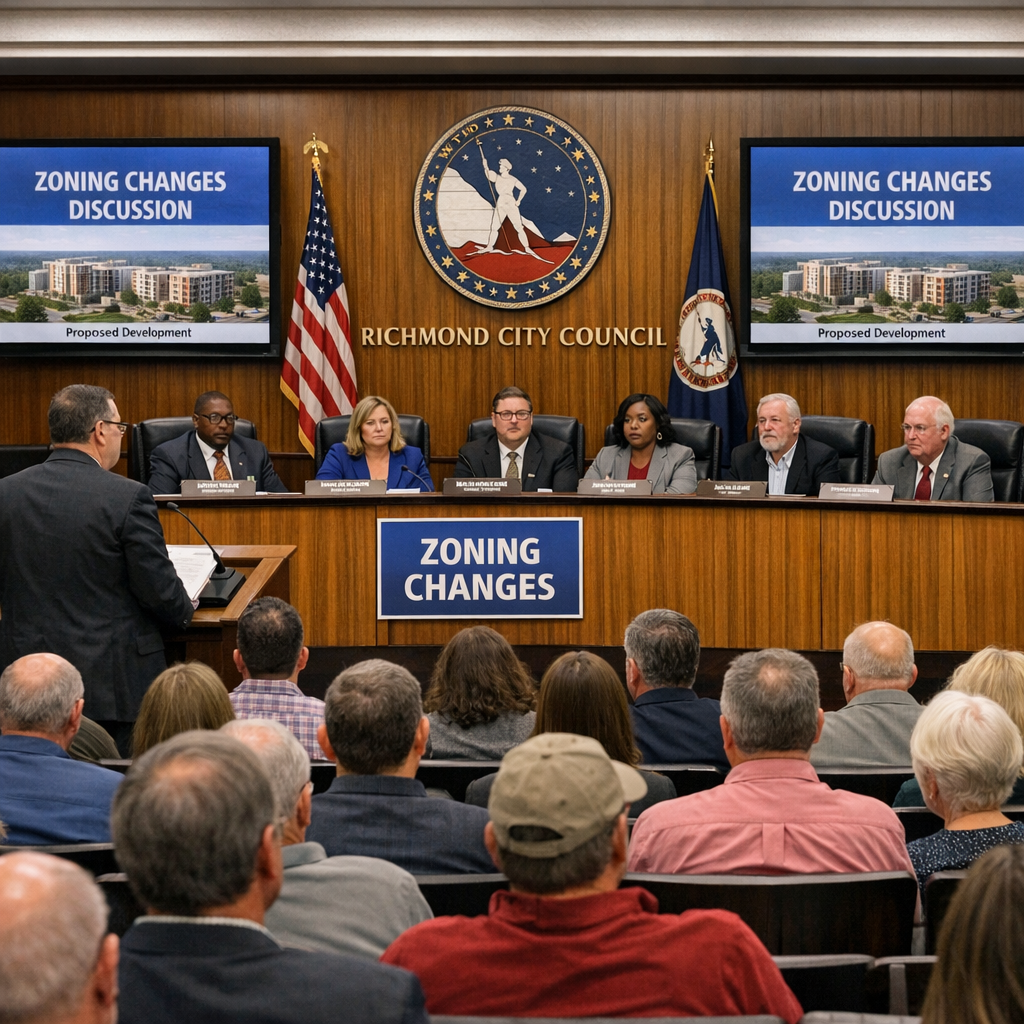
Richmond is in the final stages of a significant zoning code overhaul, the first major update in over 50 years. This initiative aims to modernize the city’s housing landscape, increase supply, and promote walkable, mixed-use development. However, several key debates have emerged as the city approaches the completion of this process.
Density and Unit Limits
A central point of contention is the proposal to allow multiple housing units on lots traditionally zoned for single-family homes. Advocates argue that increasing density is essential to address the city’s growing housing needs and to make housing more affordable. Opponents, however, express concerns about potential changes to neighborhood character and infrastructure strain.
Use of Religious Property
Another significant discussion involves the use of property owned by religious institutions. With a new state law taking effect in January, houses of worship will be permitted to build affordable housing by right. The zoning update will determine the extent of development allowed on these sites, balancing the need for affordable housing with community interests.
Occupancy Regulations
The city is also considering adopting state guidelines that limit the number of unrelated individuals per household based on bedroom size, typically allowing up to two people per 100-square-foot room. This proposal aims to ensure safe and comfortable living conditions but has raised questions about enforcement and its impact on housing availability.
Community engagement has been a cornerstone of this zoning overhaul. Richmond planners and council members have conducted numerous public meetings and surveys to gather resident input. While many support the goals of modernization and increased housing supply, others are cautious about the potential impacts on their neighborhoods.
As the city prepares to release the updated draft of the zoning code, residents are encouraged to stay informed and participate in upcoming discussions. The decisions made in this process will shape Richmond’s development for decades to come, making community involvement crucial.